
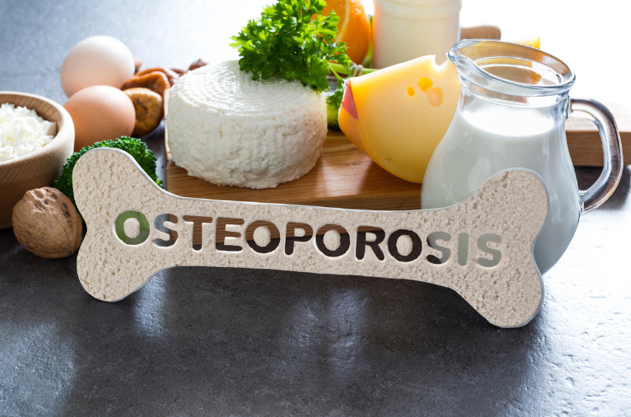
Maintaining strong bones is essential throughout life, especially as we age. One of the best ways to support bone health and help prevent conditions like osteoporosis is through proper nutrition. The foods we eat provide the key nutrients our bodies need to build, maintain, and protect bone density.
Plant based calcium sources include:
- Soybeans
- Almond milk
- Fortified orange juice
- Calcium fortified cereals
Other calcium rich foods include:
- Milk
- Cheese
- Yogurt
These dairy products not only provide calcium but also contain phosphorus and vitamin D, two nutrients that work together to support bone structure and strength.
Additional foods that provide calcium include:
- Prunes
- Raisins
- Legumes
- Beans
These foods also contribute magnesium, another mineral that plays an important role in bone formation and maintenance.
Nutrients that Work Together for Strong Bones
While calcium gets the most attention, bone health depends on several nutrients working together.
Vitamin D is essential because it helps the body absorb calcium efficiently. Without enough Vitamin D, even a calcium rich diet may not fully support bone health.
Vitamin K plays a role in improving bone density and supporting proteins involved in bone formation.
Protein is also important. Adequate protein intake helps maintain bone mass and reduces bone density loss as we age. Protein provides the building blocks needed for both muscle and bone structure.
Magnesium and phosphorus contribute to bone mineralization and help maintain the structural integrity of bones.
Together, these nutrients create a strong foundation for lifelong bone health.
Foods and Beverages to Limit
Just as certain foods strengthen bones, others can interfere with the body’s ability to absorb calcium.
Foods and beverages that should be consumed in moderation include:
- High sodium foods
- Highly processed foods
- Caffeinated beverages
- Soda and soft drinks
- Alcohol
Excess sodium can cause the body to lose calcium through urine. Highly processed foods often contain large amounts of salt and additives that do not support bone health. Caffeine and sodas may reduce calcium absorption when consumed in large amounts, and excessive alcohol intake can weaken bones over time.
Building a Bone Healthy Diet
Supporting bone health does not require a complicated diet. Instead, focus on balanced, nutrient dense foods that provide calcium, Vitamin D, protein, and other essential minerals.
A bone supportive diet may include:
- Dairy or fortified plant based milks
- Soy products
- Beans and legumes
- Fruits such as prunes and raisins
- Leafy greens and nutrient dense whole foods
Pairing these foods with healthy lifestyle habits such as regular exercise, weight bearing activity, and adequate sunlight for Vitamin D production can further help protect bone strength and reduce the risk of osteoporosis.
Conclusion
Bone health begins with daily nutrition. By prioritizing calcium rich foods, vitamin D sources, and nutrient dense meals while limiting processed foods and excess sodium, individuals can take steps toward maintaining strong bones and preventing osteoporosis throughout their life.