Depression is not a normal part of aging. While older adults may experience significant life changes, loss and health challenges, persistent sadness or loss of interest in everyday activities can be signs that something more is going on. Recognizing depression early can help older adults get the support and treatment they need to enjoy a better quality of life.
Depression Can Look Different in Older Adults
Depression doesn’t always appear as sadness. In older adults, symptoms may be more subtle or may look like physical health problems. Someone experiencing depression might complain of ongoing fatigue, aches and pains, digestive problems or changes in sleep or appetite.
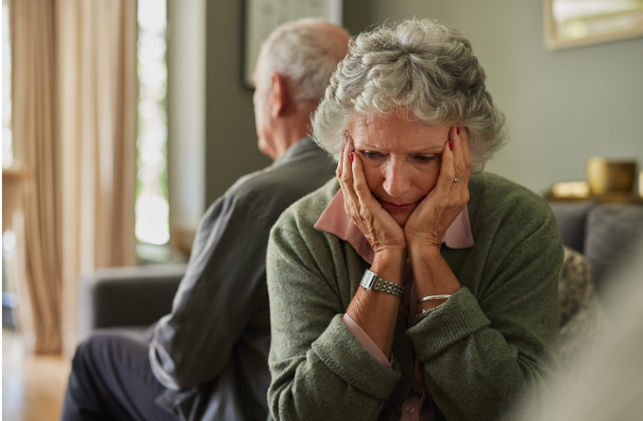
Other warning signs can include withdrawing from friends and family, losing interest in favorite activities, having difficulty concentrating or making decisions, or appearing unusually irritable. Some older adults may also express feelings of hopelessness, worthlessness or being a burden to others.
It’s important to pay attention to changes from a person’s usual behavior. A loved one who once enjoyed social activities but suddenly stops participating may be experiencing more than simply a change in interests.
Watch for Changes in Daily Habits
Sometimes depression becomes noticeable through everyday routines. An older adult may stop taking care of personal hygiene, neglect household responsibilities or have difficulty keeping up with medications and appointments. They may also sleep significantly more or less than usual or experience noticeable changes in appetite or weight.
These symptoms can sometimes overlap with other medical conditions or medication side effects, which is why talking with a healthcare professional is important.
Loss and Life Changes Can Play a Role
Older adults may face experiences that increase the risk of depression, including the loss of a spouse or close friend, retirement, changes in independence, relocation or declining health. However, experiencing grief or a difficult transition does not automatically mean someone is depressed.
Grief and depression can occur together, and prolonged or worsening symptoms deserve attention. Older adults should not be expected to simply “snap out of it” or accept feeling unhappy as a normal part of getting older.
How Can You Help?
If you are concerned about a loved one, start with a gentle conversation. Let them know you’ve noticed some changes and that you care about how they’re feeling. Listen without judgment and encourage them to speak with their doctor or another qualified healthcare professional.
Treatment for depression may include counseling, medication, lifestyle changes or a combination of approaches. Encouraging social connection, regular physical activity, nutritious meals and enjoyable activities can also support overall emotional well-being.
Depression is treatable at any age. By recognizing the signs, starting a conversation and offering compassionate support, we can help older adults know they don’t have to face these feelings alone.