Aging brings many changes, from retirement and changing family relationships to new health challenges and lifestyle adjustments. While these experiences can sometimes feel overwhelming, practicing gratitude can help older adults maintain a positive outlook and enjoy a greater sense of fulfilment. Taking time to appreciate the good things in life, both big and small, can have a meaningful impact on emotional, mental, and physical well-being.
What Is Gratitude?
Gratitude is the practice of recognizing and appreciating the positive aspects of life. It might involve feeling thankful for supportive family members, good health, meaningful friendships, or simply enjoying a beautiful morning.
As we grow older, it can be easy to focus on what has changed or what we can no longer do. Practicing gratitude encourages us to shift our attention towards what we still have and the experiences that bring happiness and meaning.
Supporting Emotional Well-being
One of the greatest benefits of gratitude is its positive influence on emotional health. Regularly acknowledging the good things in life can help reduce negative thinking, encourage optimism, and improve overall mood.
For older adults experiencing loneliness, grief, or major life transitions, gratitude can provide a helpful way to recognize moments of comfort and happiness. It does not mean ignoring difficult emotions but rather finding a healthy balance between life’s challenges and its positives.
Improving Mental Health
Gratitude can also support mental well-being by encouraging a more positive mindset. Taking time to reflect on positive experiences may help reduce stress and worry while promoting feelings of contentment.
It can also encourage mindfulness, helping older adults become more aware of the present moment rather than worrying about the past or future.
Strengthening Relationships
Expressing gratitude can bring people closer together. Saying thank you, acknowledging someone’s kindness, or letting loved ones know how much they are appreciated can strengthen relationships and encourage meaningful connections.
For older adults, maintaining strong social relationships is particularly important. Regular expressions of appreciation can help build a sense of belonging, reduce feelings of isolation, and create more positive interactions with family, friends, and caregivers.
Simple Ways to Practice Gratitude Every Day
The good news is that gratitude does not require a major lifestyle change. Small daily habits can make a difference.
Consider trying these simple activities:
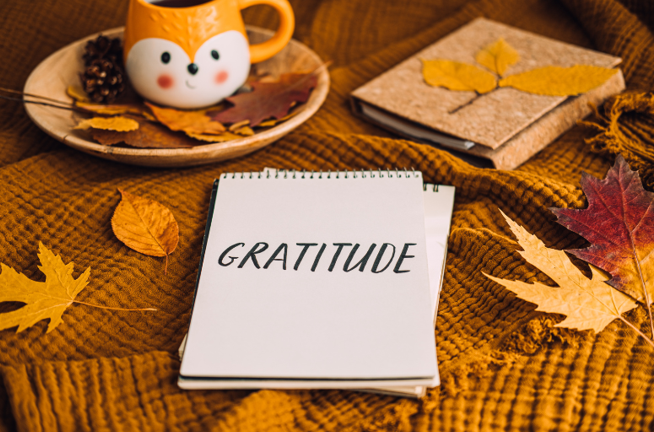
- Keep a gratitude journal: Write down three things you feel thankful for each day.
- Share appreciation: Tell family members and friends why they are important to you.
- Enjoy everyday moments: Appreciate a favorite meal, a walk outdoors, or a pleasant conversation.
- Reflect before bedtime: Think about something positive that happened during the day.
- Practice mindfulness: Take a few quiet moments to recognize and appreciate your surroundings.
Making Gratitude Part of Healthy Aging
Practicing gratitude is a simple yet meaningful way to support a happier and more fulfilling later life. By focusing on positive experiences, appreciating relationships, and recognizing life’s everyday blessings, older adults can develop greater emotional resilience and contentment.