A safe and comfortable home is important for maintaining independence and quality of life as we age. While most people are familiar with the comfort of their own homes, everyday spaces can present hazards that increase the risk of falls and injuries. Fortunately, a few simple modifications can make a big difference in creating a safer living environment.
Start with Fall Prevention
Falls are one of the leading causes of injury among older adults. Taking steps to reduce fall risks throughout the home is an important first step toward safety.
Begin by removing tripping hazards such as loose rugs, electrical cords, and clutter from walkways. Ensure that frequently used areas are easy to navigate and free from obstacles. If rugs are necessary, secure them with non-slip backing or double-sided tape.
Good lighting is also critical. Install bright bulbs in hallways, stairways, entrances, and bathrooms. Consider adding motion-sensor lights or nightlights to help light pathways during nighttime trips to the bathroom.
Make Bathrooms Safer
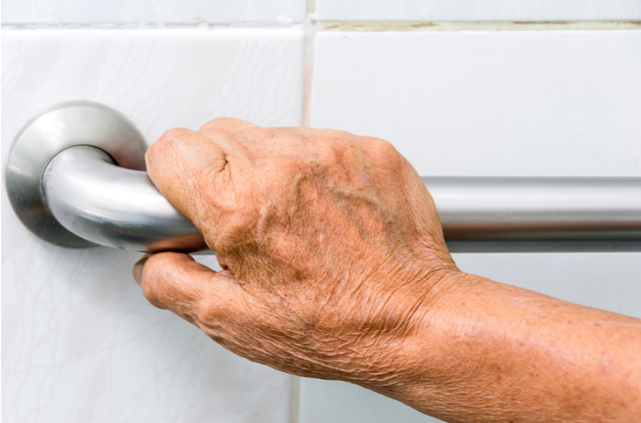
Bathrooms can be especially hazardous because of slippery surfaces. Installing grab bars near toilets and inside showers or tubs can provide additional stability and support. Non-slip mats in the shower and on bathroom floors can help prevent slips and falls.
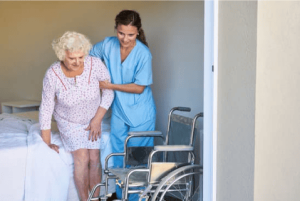
For those with mobility concerns, a shower chair or raised toilet seat may make daily routines safer and more comfortable.
Improve Accessibility
As mobility changes, small adjustments can make everyday tasks easier. Frequently used items should be stored within easy reach to avoid excessive bending, stretching, or climbing. Consider replacing difficult to turn doorknobs with lever-style handles and using easy-grip faucets.
If stairs become challenging, adding sturdy handrails on both sides can improve safety. In some cases, relocating important living items to the first floor may be important.
Prepare for Emergencies
Every home should have working smoke detectors and carbon monoxide detectors. Test them regularly and replace batteries as needed.
Keep emergency phone numbers available and consider wearing a personal emergency response device if you live alone. It’s also wise to create an emergency plan and ensure family members know how to reach you in case of an emergency.
Stay Proactive
Creating a safer living space doesn’t have to involve major renovations. Many improvements are simple, affordable, and can be completed in a couple of days. Regularly evaluating your home for hazards can help prevent accidents before they occur.
Most importantly, don’t wait until an injury happens to make changes. Taking proactive steps today can help you maintain your independence and confidence for years to come.
A safer home is more than just a place to live—it’s the foundation for healthy aging and enjoyment of everyday life.