Aging often brings major transitions: retirement, changing family roles, shifts in health, or the loss of responsibilities. While these changes can create uncertainty, they also open the door to an opportunity: building a life shaped by purpose and steady routines. Together, purpose and routine can play an important role in supporting emotional health later in life.
Purpose does not have to be dramatic or world-changing. It can be as simple as caring for a garden, helping grandchildren with homework, volunteering at a local food pantry, or learning a new skill. What matters is the sense that your time still contributes to something meaningful.
Research has consistently linked a sense of purpose with better well-being, lower stress, and greater life satisfaction. When people feel useful and connected to goals beyond themselves, they are often more resilient during difficult times. Purpose can also encourage healthier habits, because people are more likely to care for themselves when they feel their presence matters.
Routine offers a different but equally valuable kind of support. Predictable daily patterns create structure, especially during periods of change. A regular wake-up time, meals at consistent hours, social contact, hobbies, and bedtime rituals can make life feel more manageable.
Routine reduces the mental load of constant decision-making. Instead of wondering how to fill empty hours, a person can move through a familiar rhythm that creates momentum. This can be especially helpful after retirement, when work schedules no longer shape the day, or after a loss, when life can feel disorganized.
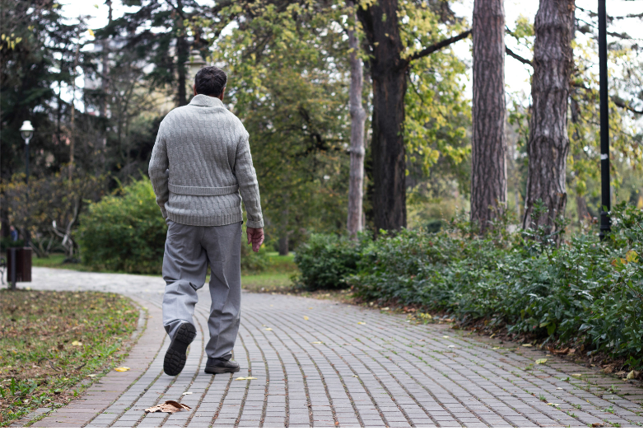
Routine also supports emotional health through the body. Consistent sleep schedules, regular exercise, time outdoors, and balanced meals can improve mood, energy, and concentration. Even simple habits such as a morning walk or an afternoon phone call with a friend can become anchors that bring comfort and stability.
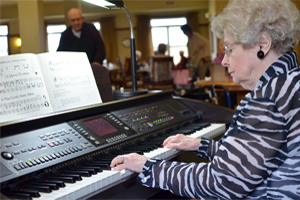
The strongest benefits often come when purpose and routine work together. For example, someone who values connection might schedule weekly volunteer shifts. A person who loves creativity may set aside time each morning to do crafts or write. Someone who wants to stay active for their family might commit to daily stretching and walks.
It is also important to remember that both purpose and routine can evolve. What felt meaningful at age 50 may look different at 75. Flexibility matters. The goal is not perfection; it is building a life that feels engaging, steady, and meaningful.
Later life can be a time of deep fulfillment. By choosing meaningful roles and shaping supportive daily habits, older adults can strengthen emotional health, maintain resilience, and create days that feel both grounded and worthwhile.