
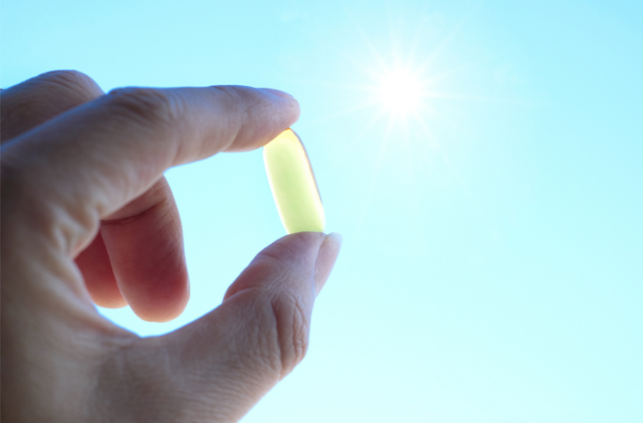
Summer is the perfect time to enjoy a walk, relax on the patio, tend to a garden, or spend time with family outdoors. While sunshine offers many health benefits, including boosting mood and helping the body produce vitamin D, it’s important for older adults to know that some medications can make the skin much more sensitive to the sun. This condition, known as photosensitivity, can increase the risk of sunburn, skin irritation, and other sun-related reactions.
Many medications commonly prescribed to seniors can cause photosensitivity. These include certain antibiotics, diuretics (water pills), blood pressure medications, anti-inflammatory drugs, heart medications, and even some medications used to treat diabetes or depression. When these medications interact with sunlight, even a short amount of time outdoors can lead to redness, burning, blistering, or an itchy rash.
Because everyone’s medications are different, it’s important to ask your doctor or pharmacist whether any of your prescriptions or over-the-counter medications increase your sensitivity to the sun. Never stop taking a prescribed medication without consulting your healthcare provider. Instead, learn what precautions you should take to continue enjoying outdoor activities safely.
Protecting yourself from the sun starts with proper clothing. Wear lightweight, long-sleeved shirts, long pants, and a wide-brimmed hat whenever possible. Sunglasses that block both UVA and UVB rays will also help protect your eyes from harmful ultraviolet radiation.
Sunscreen is another essential part of staying safe outdoors. Choose a broad-spectrum sunscreen with an SPF of at least 30 and apply it generously to all exposed skin about 15 to 30 minutes before going outside. Reapply every two hours, or more frequently if you’re sweating or spending time in the water.
It’s also wise to plan outdoor activities during the cooler parts of the day. The sun’s rays are strongest between 10 a.m. and 4 p.m., so consider taking morning walks or enjoying the outdoors later in the evening. When possible, seek shade under trees, umbrellas, or covered patios to reduce direct sun exposure.
Pay attention to your skin after spending time outside. If you notice unusual redness, blistering, or a rash, move indoors immediately and contact your healthcare provider if symptoms are severe or don’t improve. Early treatment can help prevent more serious complications.
With a little planning and awareness, seniors don’t have to avoid the outdoors. Understanding how medications can affect sun sensitivity and taking simple protective measures allows you to enjoy the warmth and beauty of summer safely. A few extra precautions can make all the difference in protecting your skin while helping you continue to enjoy an active, healthy lifestyle throughout the season.